Curb Inlet Guide: Choosing the Right Stormwater Drainage Configuration
A professional guide to curb inlet types, from concave to drive-over configurations, and how they integrate into underground drainage systems.
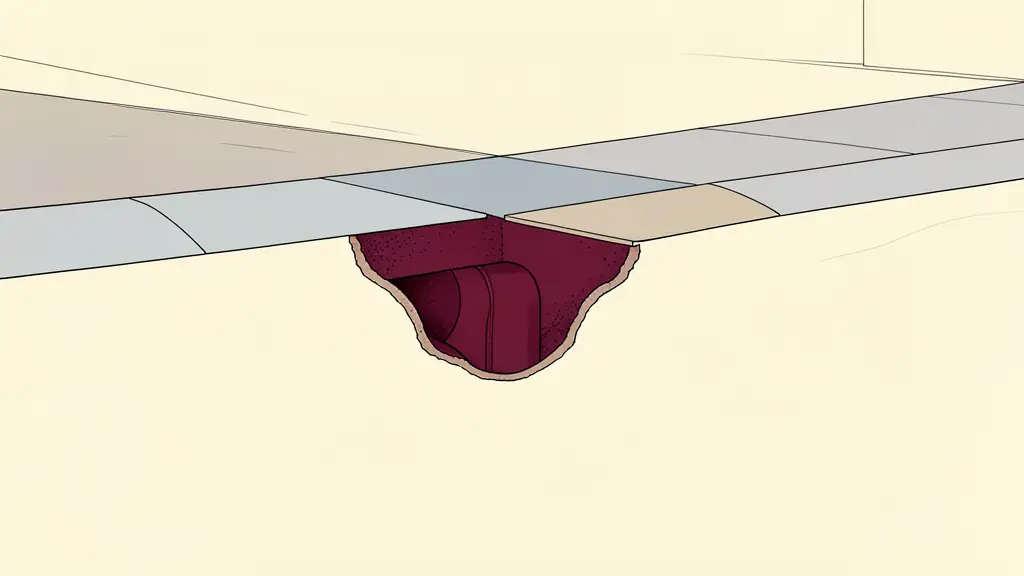
A curb inlet is a specialized drainage structure designed to capture stormwater runoff from paved surfaces and divert it into an underground management system. It serves as the critical interface between the street level and the subterranean piping, preventing water accumulation on roads, sidewalks, and parking lots.
No time to read?
- Curb inlets are the primary entry points for redirecting stormwater from paved surfaces to underground systems.
- Drive-over and roll curb inlets are essential for mountable curbs and driveway entrances.
- Concave inlets provide higher hydraulic capacity for heavy runoff areas.
- Precast concrete is preferred for its load-bearing strength and installation speed.
What Is a Curb Inlet and How Does It Work?
The primary function of a curb inlet is to act as the entry point for surface water into a municipal or private drainage network. When rain falls on impermeable surfaces, such as roofs, sidewalks, or paved streets, it creates a volume of water that cannot soak into the ground. Without a structured way to collect this flow, the result is uncontrolled runoff that leads to hydroplaning, localized flooding, and severe soil erosion.
To maintain effective stormwater management, these inlets are strategically placed at low points along the curb line. They work by intercepting the water as it flows along the gutter and directing it downward through a grate or an opening. This process ensures that rainwater is captured before it can accumulate into deep pools, protecting both the integrity of the pavement and the safety of the surrounding infrastructure. By regulating the flow of water, these systems provide essential stormwater control, reducing the stress on the broader city drainage grid during heavy storm events.
Curb Inlet Configurations: Which One Fits Your Site?
Selecting the correct configuration depends entirely on the relationship between the curb geometry and the intended traffic flow. A mismatch here can lead to structural failure or inefficient water capture. For most projects, a precast curb inlet is the preferred choice due to its precision and durability.
Common Configuration Types
- Standard Inlets: The most common type, used in areas where the curb is vertical and no vehicle crossing is required.
- Concave Inlets: Designed for special surface drainage conditions where the curb profile curves inward to maximize the volume of water captured from the street.
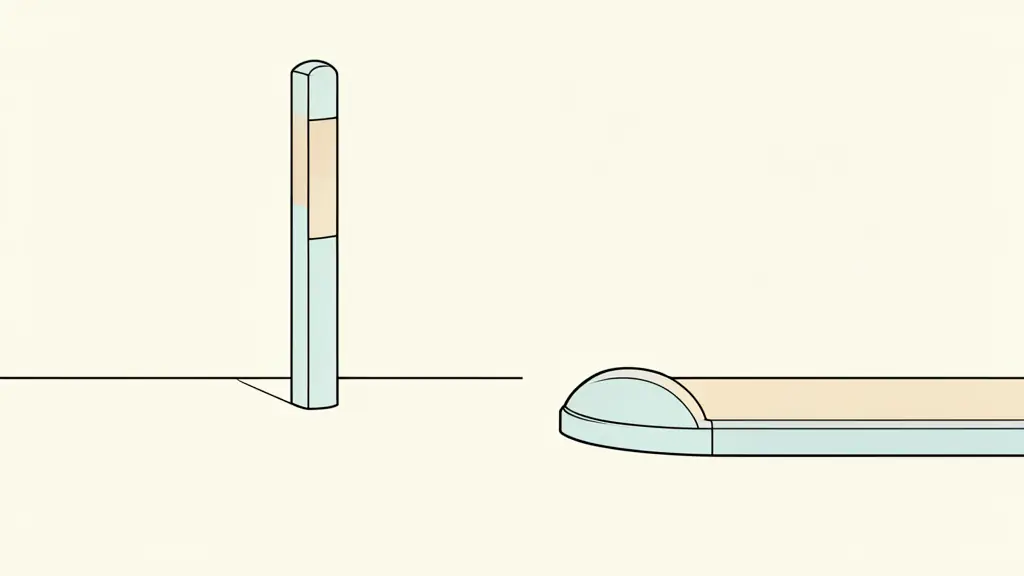
- Drive-over (Roll Curb) Inlets: Specifically engineered for locations where vehicles must cross the curb. The profile is rounded, allowing tires to pass over the structure without damaging the concrete or the drainage grate.
- Mountable Curbs: Similar to roll curbs, these are used in parking lots or residential entries to facilitate easy access while maintaining water diversion.
When planning these modifications, it is important to understand how sidewalk ramps and driveway openings differ to ensure the inlet does not obstruct pedestrian access or violate ADA requirements.
Configuration Comparison Table
| Inlet Type | Primary Use Case | Vehicle Accessibility | Water Capture Efficiency |
|---|---|---|---|
| Standard | General Roadways | Low (Vertical) | High |
| Concave | High-Flow Zones | Low | Maximum |
| Drive-over | Driveways / Entrances | High (Roll) | Moderate |
| Mountable | Parking Lots | High | Moderate |
The Connection: Curb Inlets, Catch Basins, and Underground Piping
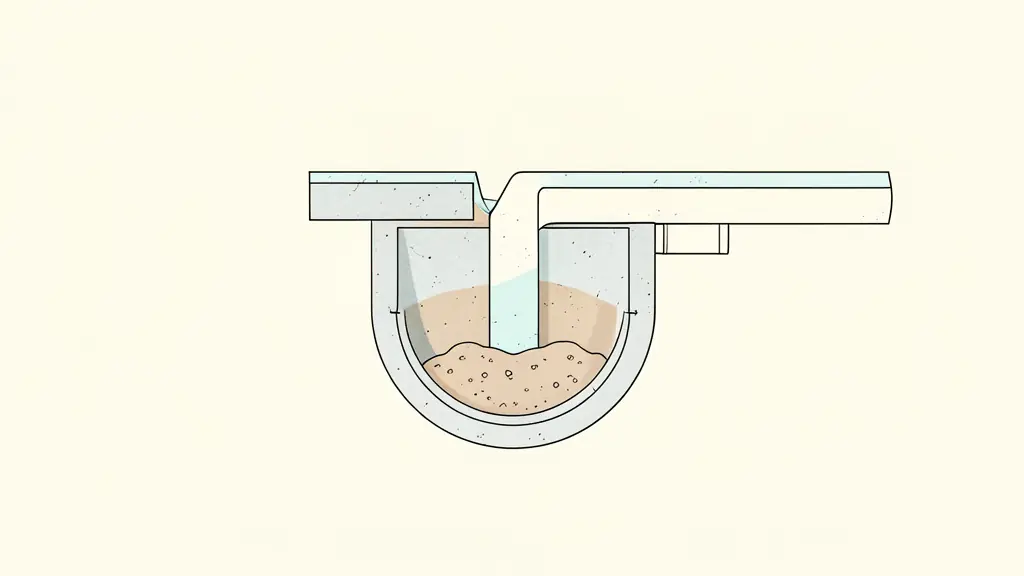
A curb inlet does not operate in isolation; it is the « mouth » of a larger organism. To understand how water actually leaves the site, you must look at the relationship between the inlet, the catch basin, and the piping system.
The process begins at the drive-over inlet or standard opening, which captures the surface runoff. From there, the water drops into a catch basin. This basin acts as a settling chamber or filter. Because stormwater carries debris, sand, and trash, the catch basin allows these heavy materials to sink to the bottom rather than entering the main pipes. This prevents the underground system from clogging, which would otherwise lead to catastrophic backups and surface flooding.
Once the water is filtered in the basin, it enters the underground piping (the « veins » of the system). These pipes carry the filtered water away from the property to a storm sewer, a retention pond, or a designated discharge point. Without this integrated sequence, an inlet would simply be a hole in the ground that fills with silt and ceases to function.
Why Precast Concrete Is the Industry Standard
In the past, many drainage components were cast-in-place, meaning the concrete was poured directly into the ground. However, the industry has shifted toward precast components for several critical reasons.
First, structural integrity is far superior. Precast units are manufactured in controlled factory environments, ensuring a consistent mix and cure that results in higher compressive strength. This is vital for any catch basin system located under a driveway or commercial road, where the structure must withstand the constant load of heavy vehicles without cracking.
Second, precast concrete offers exceptional resistance to freeze-thaw cycles and chemical corrosion from road salts. Because the material is denser and less porous than field-poured concrete, it lasts significantly longer, reducing the total cost of ownership. Finally, the installation process is drastically accelerated. Instead of waiting days for concrete to cure, contractors can drop a precast unit into a prepared excavation and backfill it immediately, minimizing traffic disruptions.
Selection Criteria for Commercial and Residential Projects
Choosing the right unit requires an analysis of the site’s specific demands. If you are managing a commercial parking lot, your priorities will differ from those of a residential driveway owner.
To ensure effective runoff control, consider the following factors:
- Expected Traffic Load: Passenger cars require basic load ratings, whereas commercial sites with delivery trucks or buses need heavy-duty reinforced concrete and high-capacity grates.
- Surface Slope: The steepness of the road determines the velocity of the water. Steeper slopes may require more frequent inlets or concave designs to prevent water from « overshooting » the opening.
- Drainage Volume: Calculate the total square footage of the surrounding impermeable surfaces (roofs, lots, streets) to determine if a standard 5′ Curb Inlet or a larger configuration is necessary.
- Available Space: Underground utilities (gas, water, electric) often dictate where the catch basin can be placed, which in turn determines the placement of the inlet.
For those integrating these systems into a larger property renovation, reviewing curb cut installation and compliance is essential to ensure the drainage configuration meets local zoning codes.
Avoiding Drainage Failures: Common Installation Pitfalls
Even the highest quality precast components will fail if the installation is flawed. The most common errors include:
- Improper Sloping: If the surrounding pavement is not graded correctly toward the inlet, water will pool in « dead zones, » leading to standing water and accelerated pavement deterioration.
- Incorrect Sizing: Installing an inlet with insufficient hydraulic capacity for the actual runoff volume leads to « bypass, » where water continues down the street, potentially flooding adjacent properties.
- Neglecting Sediment Management: Failing to size the catch basin properly for debris collection means the system will clog quickly. This increases maintenance costs and requires more frequent vacuuming of the basin.
- Poor Connection Sealing: If the joint between the inlet and the underground piping is not sealed, water can leak into the surrounding soil, causing « piping » (internal erosion) that can eventually lead to sinkholes under the road.
FAQ
What is the difference between a curb inlet and a catch basin?
The curb inlet is the opening or ‘mouth’ that allows water to enter the system from the street level. The catch basin is the underground structure attached to the inlet that collects sediment and debris before the water enters the main drainage pipes.
When should I use a concave inlet instead of a standard one?
A concave inlet is appropriate when you have a high volume of runoff and need to maximize the capture area. Its curved shape helps ‘funnel’ more water into the system compared to a flat standard opening.
Can a curb inlet be installed in a residential driveway?
Yes, specifically drive-over or roll curb configurations are designed for this purpose, allowing vehicles to cross the drainage point without damaging the structure or the vehicle.
Envie d'aller plus loin ?
Laisse ton email, on te prévient dès qu'un nouvel article sort.