Construction Loans News: Policy Changes and Your Financing Options
Latest updates on construction loan policies, market trends, and a comprehensive guide to choosing the right financing for your residential project.
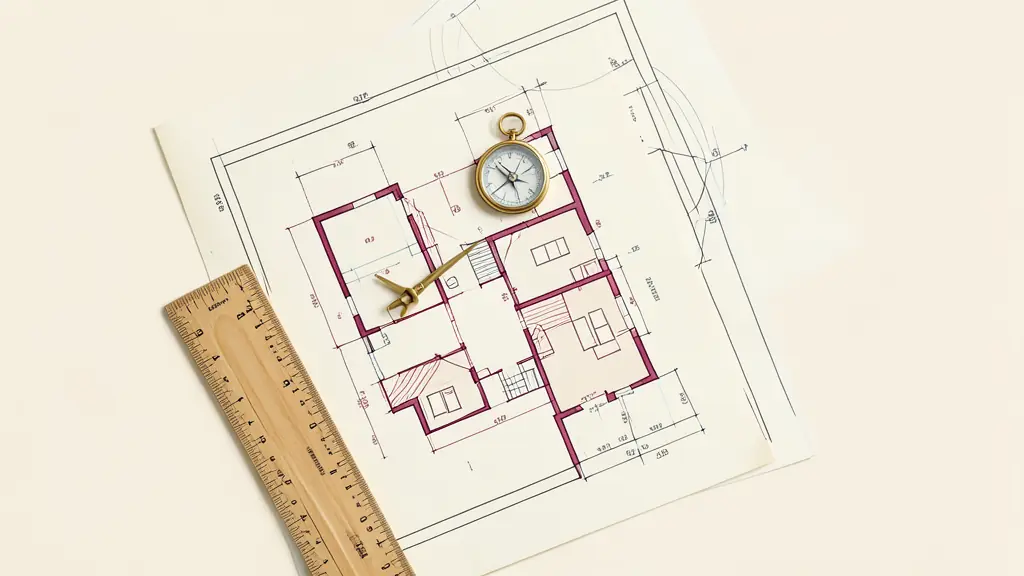
A direct status briefing on the current state of construction lending, highlighting the impact of recent policy shifts and market volatility on borrower access.
No time to read?
- Policy shifts in GSE-backed loans are directly impacting the availability of construction financing.
- Construction loans differ from mortgages through a phased ‘draw’ system rather than a single lump sum.
- Loan types range from specialized government-backed (VA/USDA) to combined construction-to-permanent options.
- Current market volatility has increased underwriting scrutiny, making project documentation more critical than ever.
Latest Construction Loan News and Policy Shifts
The landscape of residential building is currently being reshaped by legislative efforts to expand housing supply and reduce financing costs. Central to these construction loans news updates is the role of Government-Sponsored Enterprises (GSEs), specifically Fannie Mae and Freddie Mac. Since September 2008, these entities have remained under conservatorship, but recent draft legislation in Congress seeks to reform the GSE structure to allow them to buy and securitize construction loans more aggressively.
A key focus of these reforms is the promotion of middle-income housing. Some proposed bills would tie conforming loan limit growth directly to household income, potentially opening the door for more borrowers to access competitive rates. Furthermore, a pilot program in Washington County, Wisconsin, is being used as a model for national legislation to streamline how these loans are handled.
For the borrower, the most impactful shift is the evolution of the construction-to-permanent loan. Rather than managing two separate financing events, these products are designed to bridge the gap between the build phase and long-term residency, reducing the friction of multiple applications.
Fannie Mae and Freddie Mac have been in conservatorship since September 2008.
How Current Market Trends Affect Your Borrowing Power
Current market volatility has a direct impact on how lenders perceive risk. Recent data from Trepp indicates that construction loan delinquencies increased for a second consecutive quarter, a trend that typically leads to tighter underwriting standards. When loan performance deteriorates, lenders often increase down payment requirements or tighten credit score thresholds to protect their capital.
However, the broader goal of GSE housing finance is to balance taxpayer protection with the need for increased housing affordability. If the GSEs are granted more power to purchase construction loans, liquidity in the secondary mortgage market should improve. This would likely reduce the cost of borrowing for residential property owners and allow homebuilders to offer more competitive pricing.
Borrowers should be aware that while policy shifts aim for expansion, the immediate reality is a cautious lending environment. This means that detailed project plans, accurate budgets, and proven contractor reliability are now non-negotiable requirements for approval.
Construction Loans vs. Traditional Mortgages
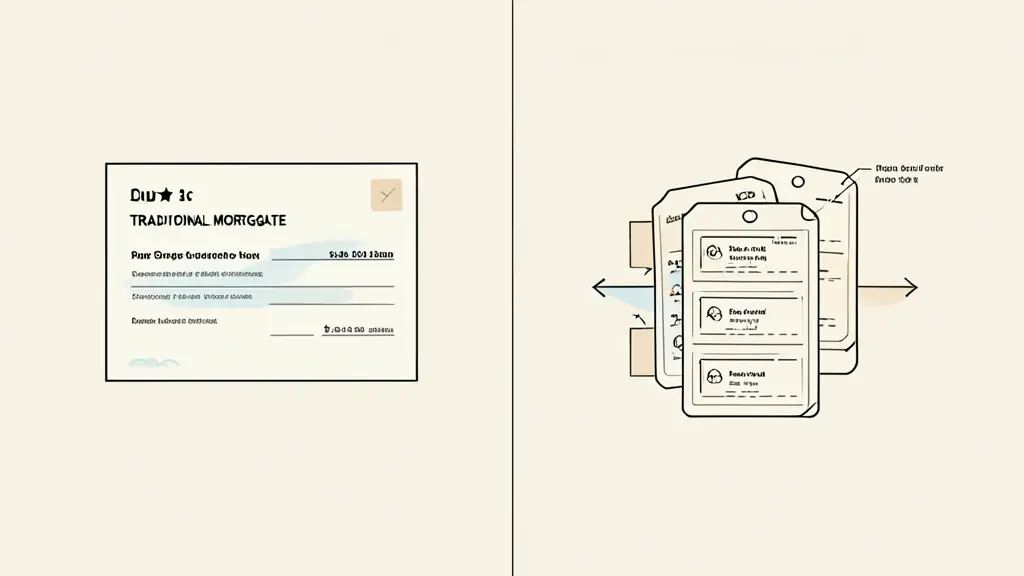
The fundamental difference between a construction loan and a traditional mortgage lies in how the money is delivered and how the debt is serviced. A traditional mortgage is a lump sum provided at closing, with the loan amortized over a 15- or 30-year term from day one.
In contrast, construction financing is typically short-term (often up to 18 months) and operates on a draw schedule. Instead of receiving the full loan amount upfront, the borrower receives payments in stages as specific milestones of the build are completed. These draws are paid directly to the contractor to ensure the funds are used exclusively for the project.
Another critical distinction is the payment structure. While a traditional mortgage requires full principal and interest payments, many construction loans utilize interest-only financing during the build phase. This reduces the monthly financial burden on the homeowner while the property is not yet habitable.
Choosing the Right Loan Type for Your Project
Depending on your credit profile, the project scope, and the property location, different financing vehicles are available. Understanding construction loan eligibility is the first step in avoiding costly application errors.
- Construction-Only Loans: These are short-term loans that must be paid off in full once the project is complete. The borrower must then secure a separate permanent mortgage to refinance the balance.
- Construction-to-Permanent Loans: Often called « single-close » loans, these combine the build phase and the long-term mortgage into one loan. This avoids two sets of closing costs and provides a more seamless transition.
- FHA, VA, and USDA Loans: These government-backed options are ideal for borrowers with lower credit scores or those building in rural areas. The VA and USDA variants often provide lower down payment thresholds.
- Rehab Loans: Products like the 203(k) rehab loan or HomeStyle Renovation Loan are designed specifically for « fixer-uppers, » allowing the borrower to finance both the purchase of the property and the cost of renovations.
- Owner-Builder Loans: A niche option for those managing their own construction, though these typically require higher credit scores and more significant equity.

Lender Comparison: Eligibility and Requirements
Lenders vary significantly in their appetite for risk and their flexibility regarding terms. National banks often have stricter underwriting, while credit unions may offer more personalized terms for local projects.
| Lender Type | Typical Down Payment | Credit Score Requirements | Rate Lock Period |
|---|---|---|---|
| Large National Banks | 20% to 30% | 680+ | 30 to 90 days |
| Credit Unions | 10% to 20% | 620+ | Up to 180 days |
| Online Lenders | 10% to 25% | 640+ | Variable |
| Government Programs | 3.2% to 10% | 500 to 580+ | Program dependent |
Key requirements to keep in mind:
* Down Payment: While some programs allow 10% down, many conventional construction loans require 20% to 30% to offset the risk of build volatility.
* Credit Scores: Some specialized loans allow scores as low as 500 with 10% down, while others require 580 with 3.2% down.
* Rate Locks: Due to the length of construction, securing a one-year rate lock is a critical move to avoid interest rate hikes during the build.
* Loan Limits: Be mindful of conforming loan limits, which can range from under $1 million to $3 million depending on the region and loan type.
Managing Risks: Delinquencies and Underwriting Traps
The most significant risk in any build is the « funding gap » caused by cost overruns. Lenders use the draw schedule not just as a payment mechanism, but as a risk management tool. If a project falls behind schedule or exceeds the budget, the lender may freeze further draws, leading to construction halts.
Compliance is another major hurdle. The TRID framework (TILA-RESPA Integrated Disclosure) imposes strict rules on how loans are disclosed. Technical disclosure errors can lead to significant compliance burdens for lenders, which in turn makes them more hesitant to approve complex, non-standard projects.
Construction loan delinquencies increased for a second consecutive quarter.
Trepp
To avoid these traps, borrowers should ensure their contracts include a contingency fund (typically 10% to 20% of the total budget) and verify that their contractor is experienced with the specific draw requirements of their lender.
For those planning a project, the most strategic move is to time your loan application to align with your finalized blueprints and permits. Do not commit to a build contract until you have verified your current rate locks, as a shift in the market during the planning phase can erase your projected profit margins or increase your monthly carry costs.
FAQ
How do draw schedules function in a construction loan?
Instead of receiving all the money upfront, funds are released in stages—called draws—as specific milestones of the project are completed and verified by an inspector.
When do construction loans convert to traditional mortgages?
Most construction-to-permanent loans convert automatically once the home is completed and a certificate of occupancy is issued, shifting from interest-only payments to full principal and interest.
Who can qualify for a construction loan?
Eligibility typically requires a higher credit score and a larger down payment (often 20-25%) than standard mortgages, along with a detailed project plan and a licensed contractor’s bid.
Envie d'aller plus loin ?
Laisse ton email, on te prévient dès qu'un nouvel article sort.