Fleet Compliance Guide: Mastering DOT and FMCSA Requirements
A professional roadmap to fleet compliance, covering DOT/FMCSA rules, driver qualifications, HOS, and vehicle inspection requirements.
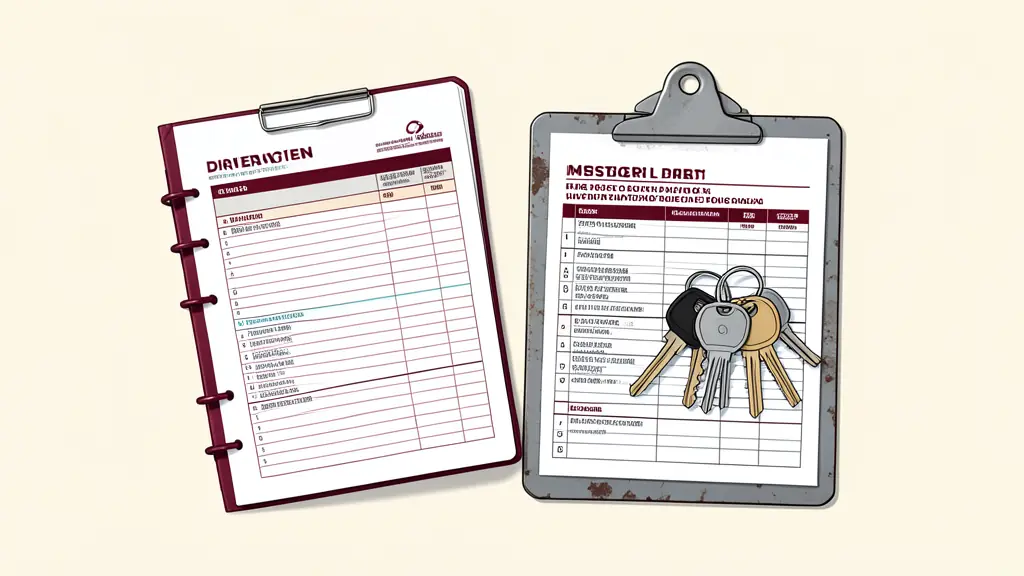
Fleet compliance is the intersection of DOT and FMCSA regulations. While the DOT sets overarching national standards, the FMCSA enforces the specific rules for commercial motor carriers. For any operator, the first step is determining their specific regulatory classification to ensure all legal obligations are met.
No time to read?
- DOT sets the standards; FMCSA enforces the rules for commercial carriers.
- Compliance covers three main pillars: Driver Qualifications, Vehicle Safety, and Hours of Service.
- DVIRs must be completed daily to ensure vehicle roadworthiness.
- Digital record-keeping is the fastest path to passing a DOT audit.
DOT vs. FMCSA: Understanding the Regulatory Hierarchy
Navigating the bureaucracy of commercial transport requires a clear understanding of who makes the rules and who enforces them. The Department of Transportation (DOT) serves as the overarching federal agency responsible for the nation’s transportation network. Within the DOT, the Federal Motor Carrier Safety Administration (FMCSA) is the specific body tasked with creating and enforcing the Federal Motor Carrier Safety Regulations (FMCSR).
Essentially, the DOT provides the framework, while the FMCSA manages the granular details of fleet compliance, such as safety ratings, driver qualifications, and vehicle standards.
Determining Applicability
Not every vehicle on the road is subject to these rules. Compliance requirements are triggered based on three primary factors: vehicle weight, the nature of the operation, and the materials being transported. Generally, any commercial motor vehicle (CMV) with a gross vehicle weight rating (GVWR) of 10,001 lbs or more is subject to these regulations. However, carriers transporting hazardous materials or those operating in interstate commerce face stricter mandates regardless of weight.
To determine your specific obligations, you should utilize a DOT compliance checklist to map your fleet against current federal and state mandates.
| Regulatory Factor | Threshold / Condition | Requirement |
|---|---|---|
| Vehicle Weight | GVWR $ge$ 10,001 lbs | USDOT Number & FMCSR Compliance |
| Commerce Type | Interstate (Across state lines) | Full FMCSA Registration |
| Hazardous Materials | Any amount (based on class) | Hazmat Endorsement & Special Permitting |
| Driver License | Commercial vehicle operation | CDL (depending on weight/cargo) |
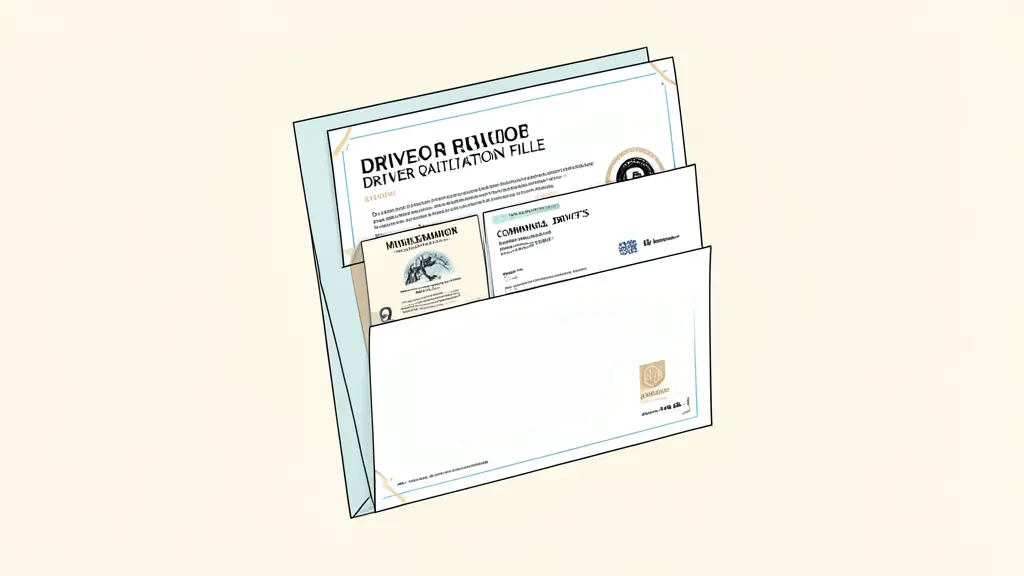
The Driver Qualification (DQ) File Checklist
A driver is only as compliant as their documentation. The FMCSA requires every motor carrier to maintain a comprehensive driver qualification file for each operator. This file serves as the primary evidence that a driver is legally qualified to operate a commercial motor vehicle.
Failure to maintain these records is a common trigger for fines during a roadside inspection or a full DOT audit. To adhere to FMCSA regulations, each file must contain the following:
- Application for Employment: A completed application including the driver’s work history for the past three years.
- CDL Verification: A current copy of the Commercial Driver’s License (CDL) and verification of its validity.
- Medical Examiner’s Certificate: A valid medical certificate proving the driver is physically fit to operate a CMV.
- Drug and Alcohol Testing: Records of the pre-employment drug test and enrollment in a random testing pool via the FMCSA Drug and Alcohol Clearinghouse.
- Driving Record (MVR): An annual Motor Vehicle Record check to monitor for violations or license suspensions.
- Road Test Certificate: Documentation proving the driver has been tested and found competent to operate the specific equipment used.
Verification is an ongoing process. It is not enough to collect these documents at the time of hire; the carrier must monitor expiration dates for medical certificates and license renewals to prevent a compliance gap.
Hours of Service (HOS) and ELD Mandates
Driver fatigue is a primary safety concern for regulators, which is why the FMCSA strictly enforces Hours of Service (HOS) rules. These regulations limit the amount of time a driver can spend behind the wheel and mandate specific rest periods.
HOS Core Limits
To maintain legal operations, fleet managers must ensure drivers adhere to the following:
* 11-Hour Driving Limit: Drivers may drive a maximum of 11 hours after 10 consecutive hours off duty.
* 14-Hour Duty Limit: Driving is not permitted after 14 consecutive hours of duty on a single shift.
* 30-Minute Break: A mandatory break is required after 8 cumulative hours of driving.
* Weekly Caps: Depending on the operation, a 60-hour or 70-hour workweek cap applies.
* 34-Hour Restart: A driver can reset their weekly clock after 34 consecutive hours off duty, which must include two periods between 1 a.m. and 5 a.m.
The ELD Mandate
To eliminate the inaccuracies of paper logs, the FMCSA requires most commercial motor carriers to use an Electronic Logging Device (ELD). The ELD automatically records driving time and engine data, transmitting it directly to regulators during a roadside inspection. While the Driver Qualification File proves the driver is capable of driving, the ELD proves the driver is legally driving. Mismanaging these logs leads to immediate out-of-service orders and heavy penalties.
Vehicle Inspection Protocols: DVIR and Preventive Maintenance
Vehicle roadworthiness is monitored through a combination of daily driver reports and scheduled mechanical interventions. The primary tool for this is the Driver Vehicle Inspection Report (DVIR).
The DVIR Workflow
A DVIR must be completed daily. Drivers are required to perform a pre-trip inspection to ensure the vehicle is safe to operate and a post-trip inspection to identify any issues that occurred during the shift.
When using an eDVIR (electronic DVIR), the process is streamlined:
* Identification: The driver flags a vehicle defect (e.g., a worn brake pad or a broken signal light).
* Notification: The maintenance team receives an automated alert.
* Corrective Action: The technician repairs the defect and signs off on the repair.
* Certification: The driver reviews and signs the repair certification before the vehicle returns to service.
Preventive Maintenance (PM)
Beyond daily reports, a structured maintenance workflow is essential. Preventive maintenance reduces the risk of catastrophic failure and ensures the fleet passes CVSA Roadchecks, which often target safety belt violations and driver restrictions.
Key maintenance requirements include:
* Scheduled Inspections: Regular intervals for oil changes, tire rotations, and brake adjustments.
* Annual Inspections: A comprehensive federal inspection performed every 12 months.
* Documented Repairs: Every repair must be logged, linking the specific vehicle defect to the corrective action taken.
Ensuring ELD compliance is critical, but it must be paired with a rigorous maintenance log to prove that the vehicle is as safe as the driver is rested.
Cargo Securement and Hazardous Materials Compliance
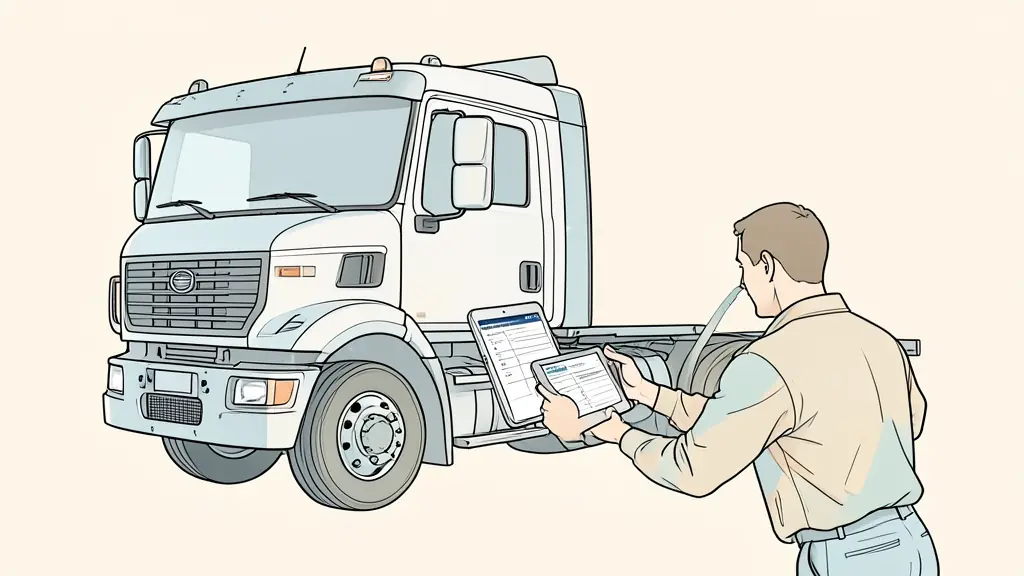
Compliance extends beyond the driver and the vehicle to the cargo itself. Improperly secured loads are a leading cause of roadside accidents and expensive DOT fines.
Cargo Securement Standards
The FMCSR provides specific requirements for how different types of cargo must be fastened. This includes the use of approved tie-downs, straps, and chains based on the weight and dimensions of the load. Fleet managers must ensure drivers are trained in cargo securement to avoid « out-of-service » orders during inspections.
Hazardous Materials (Hazmat)
Transporting hazardous materials triggers a higher tier of regulatory scrutiny. Carriers must obtain:
* Hazmat Endorsements: Drivers must have the proper endorsement on their CDL.
* Special Permitting: Specific registration for the transport of hazardous materials.
* Training: Regular safety training on spill response and cargo handling.
* Placarding: Correct and visible signage on the vehicle to alert emergency responders to the nature of the cargo.
Failure to meet DVIR requirements is a serious issue, but a hazmat violation is often treated with far greater severity due to the potential for environmental and public safety disasters.
Audit Readiness: Record Retention and Management
A DOT audit is a comprehensive review of a carrier’s entire compliance history. Being « audit-ready » means having a centralized system where records can be produced instantly upon request.
Record Retention Schedule
Records must be kept for specific durations to satisfy federal auditors. Generally, maintenance and vehicle records should be maintained for at least one year and six months after a vehicle is retired or sold.
Audit Readiness Workflow
To avoid the chaos of a manual search during an inspection, follow this organizational structure:
* Centralize: Move all driver qualification files, medical certificates, and ELD logs into a single, searchable repository.
* Audit: Perform monthly internal reviews to identify missing signatures or expired credentials.
* Correct: When a deficiency is found, implement a corrective action immediately and document the fix.
* Verify: Ensure all IFTA (International Fuel Tax Agreement) records are accurate and reconciled.
If a roadside inspection results in a violation, the carrier should not simply pay the fine. They must analyze the root cause (e.g., a failed training module or a skipped PM interval) and document the steps taken to prevent recurrence.
Evaluating Compliance Management Systems
The transition from manual, paper-based records to a digital compliance management system is often the difference between operational scalability and constant regulatory anxiety.
Manual vs. Automated Compliance
Manual record-keeping relies on physical folders and spreadsheets. This approach is prone to human error, such as missing a medical certificate expiration date or losing a DVIR page. Automated systems use cloud-based storage and real-time tracking to eliminate these gaps.
Selection Criteria for Software
When evaluating a fleet compliance system, prioritize the following features:
1. Automated Alerts: The system should send notifications to both the manager and the driver before a license or medical certificate expires.
2. Mobile Accessibility: Drivers should be able to submit eDVIRs and view HOS logs from a mobile device.
3. Integrated Maintenance Logs: The software should link vehicle defects reported in the DVIR directly to the maintenance schedule.
4. One-Click Reporting: The ability to generate audit-ready reports for DOT inspectors without manual data entry.
Risk-Based Recommendation: Do not migrate to a digital system while your current files are in disarray. Perform a manual audit of all existing files first to ensure the data being uploaded is accurate. Once verified, transition to digital records for all future entries.
Final Verification Checklist:
* [ ] All driver medical certificates are current.
* [ ] All vehicle annual inspection dates are valid.
* [ ] ELD logs are synced and error-free.
* [ ] CDL renewals are tracked and scheduled.
FAQ
What happens if a fleet fails a DOT audit?
Failure can result in heavy fines, the suspension of operating authority, or mandatory safety corrective action plans. Immediate documentation of the fix is required to prevent total operational shutdown.
How long must fleet records be retained?
Retention periods vary by document; for example, some driver records must be kept for several years after employment, while others are event-based. Always refer to the current FMCSR record-keeping schedule.
Who is responsible for maintaining compliance records?
The motor carrier (the company) is legally responsible for maintaining and producing these records, though drivers are responsible for accurate daily logging (HOS) and DVIR completion.
Envie d'aller plus loin ?
Laisse ton email, on te prévient dès qu'un nouvel article sort.